
The Importance of Preventive Maintenance in Forklifts: Protecting Uptime, Safety, and Your Bottom Line
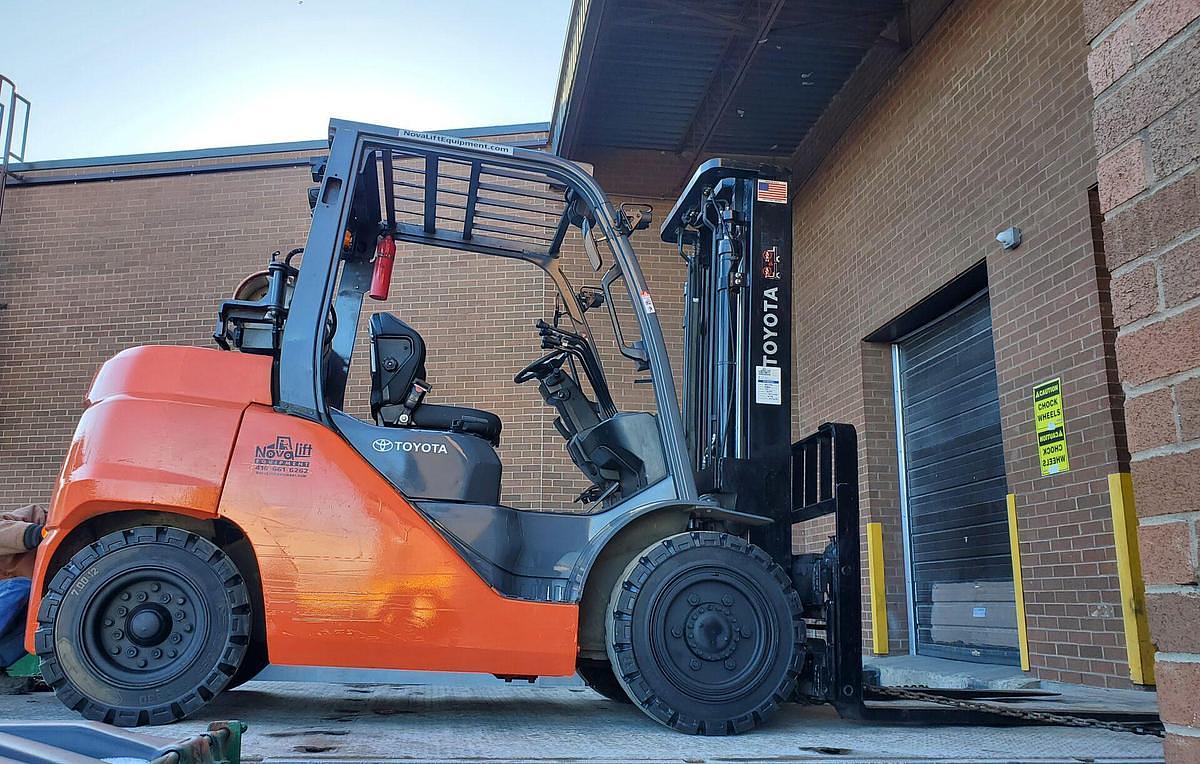
Forklifts are the backbone of many warehouses, manufacturing plants, distribution centers, and construction operations. When a forklift goes down unexpectedly, it can ripple through the entire workflow—delaying shipments, increasing labor costs, and putting safety at risk. That is why preventive maintenance for forklifts is not simply a best practice; it is a business-critical discipline that protects uptime, reduces total cost of ownership, and supports a safer workplace.
This article explains why forklift preventive maintenance matters, what it typically includes, and how organizations can build a practical program that delivers measurable results.
What Preventive Maintenance Means for Forklifts
Forklift preventive maintenance is a planned, routine approach to inspecting, servicing, and replacing wear components before failures occur. Instead of reacting to breakdowns, preventive maintenance (PM) is scheduled by hours of operation, calendar intervals, or a combination of both. It is often guided by manufacturer recommendations, site conditions, and fleet usage patterns.
A strong PM program typically combines daily operator checks with periodic technician service, creating a layered defense against unplanned downtime and safety incidents.
Why Preventive Maintenance Is So Important
1) Reduces Unexpected Downtime and Disruption
Unplanned forklift downtime is expensive in ways that are not always obvious. When a truck is out of service, productivity drops, staging areas bottleneck, and employees may be redirected to manual handling or waiting tasks. Preventive maintenance helps catch issues early—such as leaks, worn tires, loose chains, or battery problems—before they turn into failures that halt operations.
Many businesses find that a consistent forklift maintenance schedule improves fleet availability and supports more predictable labor planning, particularly during seasonal peaks.
2) Improves Workplace Safety and Lowers Risk
Forklifts operate in close proximity to people, racking, inventory, and loading docks. Mechanical issues such as faulty brakes, steering problems, worn forks, or inconsistent hydraulic performance can increase the likelihood of incidents. Preventive maintenance reduces risk by ensuring equipment performs as intended and by providing documentation that inspections and repairs were completed on time.
In safety audits and incident investigations, maintenance records matter. A documented preventive maintenance program can demonstrate due diligence and help reinforce a strong safety culture.
3) Extends Equipment Life and Protects Resale Value
Forklifts are major capital assets. Routine maintenance—proper lubrication, fluid changes, filter replacement, battery care, and timely adjustment of wear components—reduces long-term strain on critical systems. This can extend the service life of the truck and improve resale or trade-in value. Well-maintained units also tend to have fewer chronic issues, making them more reliable and less costly to operate as they age.
4) Lowers Total Cost of Ownership
Preventive maintenance is sometimes viewed as an added expense. In practice, it is often one of the most cost-effective investments a fleet can make. Scheduled service helps avoid expensive emergency repairs, reduces collateral damage from component failures, and can decrease the need for rentals or expedited parts shipping.
When maintenance becomes reactive, costs tend to rise quickly due to overtime labor, workflow interruptions, and the compounding effect of delayed repairs. A preventive approach helps stabilize costs and supports better budgeting.
5) Supports Compliance and Operational Standards
Many organizations maintain internal standards for equipment condition, inspection frequency, and documentation. Preventive maintenance helps meet these standards consistently, especially in environments with strict safety protocols or quality requirements. It also supports readiness for site inspections and helps ensure equipment remains within safe operating specifications.
Core Elements of an Effective Forklift Preventive Maintenance Program
While specific tasks vary by forklift type (electric, internal combustion, narrow aisle) and by usage conditions, most preventive maintenance programs include the following components:
- Daily pre-shift inspections: Operator checks for leaks, tire condition, horn/lights, forks and mast, seat belt, brakes, steering, and general damage.
- Planned service intervals: Maintenance triggered by operating hours (for example, every 250 or 500 hours) and adjusted for demanding applications.
- Battery and charging maintenance (electric forklifts): Watering schedules, connector checks, cable condition, equalization practices, and ventilation considerations.
- Fluids and filters (IC forklifts): Engine oil changes, air and fuel filter replacement, coolant checks, and monitoring for contamination.
- Hydraulic system inspection: Hoses, fittings, cylinders, fluid condition, and mast performance to reduce leaks and lifting issues.
- Tires and wheels: Wear, chunking, pressure (pneumatic), flat-spotting (cushion), and alignment-related issues.
- Brakes and steering: Adjustment, wear checks, and verification of reliable stopping and control response.
- Chain and mast components: Lubrication, tension, wear measurements, and inspection of rollers and bearings.
- Fork inspection and load-handling components: Fork wear, cracks, heel thickness, locking pins, and backrest condition.
The best programs treat these checks as non-negotiable, with clear accountability and consistent follow-through.
Common Signs Preventive Maintenance Is Being Neglected
Teams often recognize maintenance gaps only after breakdowns become frequent. Consider these warning signs:
- More frequent “urgent” repairs or repeated issues on the same trucks
- Operators reporting performance changes (weak lift, slow acceleration, pulling to one side)
- Visible hydraulic leaks, unusual noises, or frequent warning lights
- Inconsistent inspection completion or missing maintenance records
- Rising rental usage due to inadequate fleet availability
If any of these conditions are present, it is typically more cost-effective to re-establish a preventive maintenance routine than to continue operating reactively.
How to Build a Practical Preventive Maintenance Schedule
Match service intervals to real operating conditions
Forklifts working in cold storage, dusty yards, multi-shift operations, or heavy-duty applications usually require tighter service intervals than trucks used intermittently on smooth floors. Use manufacturer guidance as a baseline, then adapt based on environment and utilization.
Create a reliable inspection process
Daily forklift inspection checklists should be easy to complete and tied to a clear escalation path. If an operator flags a safety issue, the unit should be tagged out and evaluated promptly to prevent minor problems from becoming incidents.
Track hours and standardize documentation
Hour meters and maintenance logs are foundational. Tracking service history helps identify high-cost units, recurring issues, and opportunities to improve training or operating practices. It also supports better decision-making around repair-versus-replace.
Decide between in-house maintenance and service partners
Some operations maintain forklifts with internal technicians; others rely on dealer or third-party service. The best choice depends on fleet size, site complexity, technician availability, parts access, and required response times. Many businesses use a hybrid approach, keeping routine tasks in-house while outsourcing specialized repairs.
Preventive Maintenance as a Competitive Advantage
In fast-moving logistics and manufacturing environments, the ability to move product reliably is a competitive advantage. A consistent forklift preventive maintenance program supports on-time shipping, protects employees, and reduces surprise costs. It also builds confidence across the organization—operators trust their equipment, supervisors can plan around dependable capacity, and leadership gains clearer visibility into fleet performance.
Conclusion: Invest in Maintenance to Protect Operations
The importance of preventive maintenance in forklifts comes down to one essential outcome: control. Preventive maintenance gives organizations control over safety, costs, and uptime instead of leaving performance to chance. By combining daily inspections, scheduled service, accurate records, and responsive repairs, businesses can keep their fleets reliable and their operations running smoothly.
For organizations looking to improve forklift uptime and safety quickly, the best next step is to review current service intervals, audit inspection compliance, and establish a consistent maintenance calendar across the fleet.