Why HELI Lithium-Ion Pneumatic Tire Forklifts Are a Smart Investment for Your Business
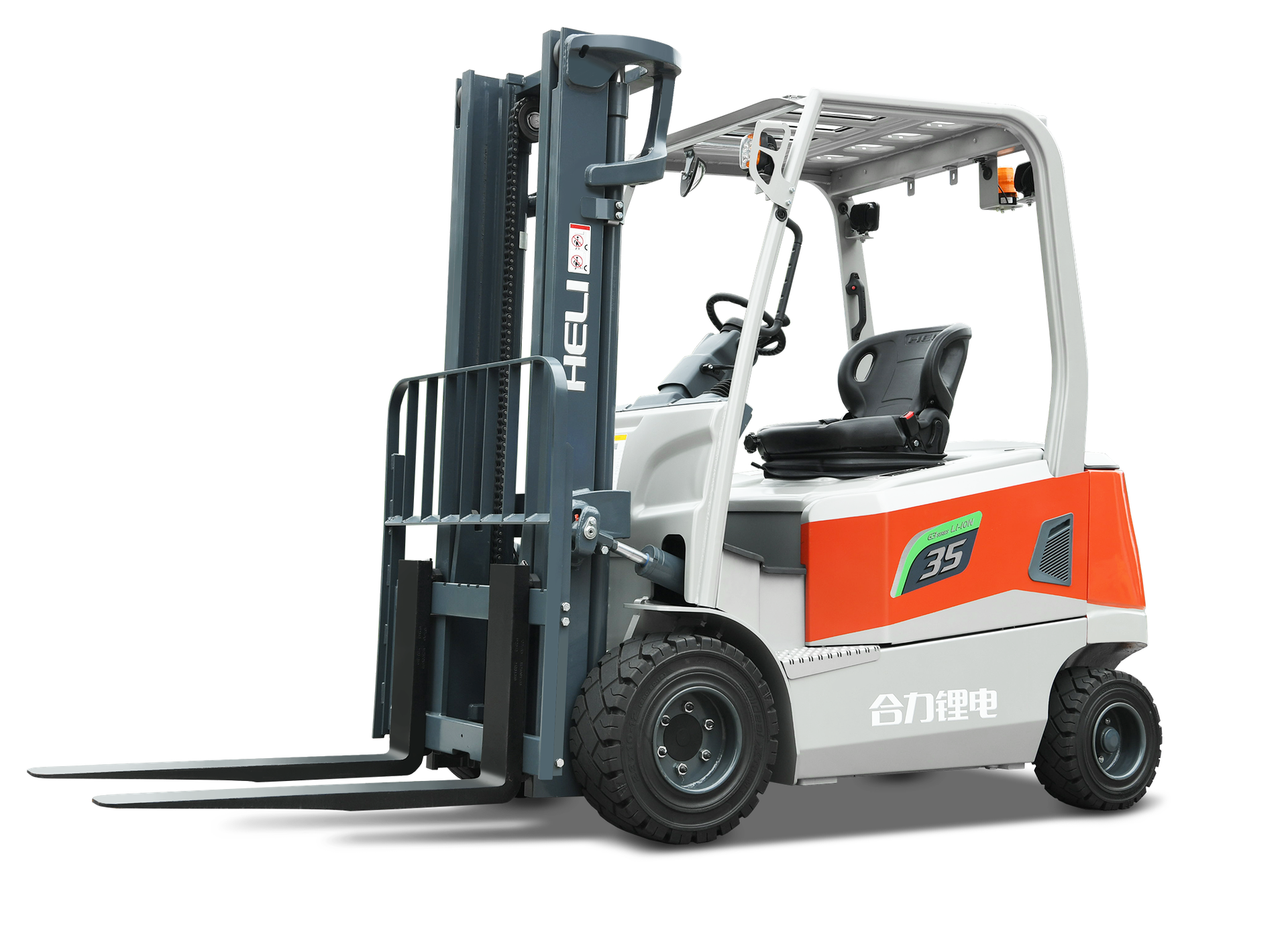
Lower operating costs, faster charging, reduced maintenance, and powerful performance—discover why more businesses are considering HELI lithium-ion forklifts.
For decades, propane and diesel forklifts have been the preferred choice for businesses requiring powerful, reliable material handling equipment. From manufacturing facilities and distribution centres to lumber yards and building supply companies, internal combustion forklifts have played an essential role in keeping operations moving.
However, advancements in lithium-ion battery technology are changing the way businesses think about forklift ownership.
Today, HELI lithium-ion pneumatic tire forklifts offer an attractive alternative to traditional propane and diesel equipment, combining electric efficiency with the versatility and performance businesses expect from an industrial forklift.
For companies looking to reduce fuel expenses, minimize maintenance, and improve productivity, making the switch to HELI lithium-ion technology could be one of the smartest equipment investments they make.
1. Eliminate Propane and Diesel Fuel Expenses
One of the biggest financial advantages of switching to a lithium-ion electric forklift is eliminating the ongoing expense of propane or diesel fuel.
For businesses operating forklifts several hours per day, fuel costs can quickly add up.
Consider this illustrative example of a propane forklift operating in a busy warehouse:
Operating expense Propane forklift HELI lithium-ion forklift Daily energy consumption 1 propane tank at $40 30 kWh at $0.15/kWh Daily energy cost $40.00 $4.50 Monthly cost (22 days) $880 $99 Annual cost (250 days) $10,000 $1,125 Five-year energy cost $50,000 $5,625 Potential five-year energy savings: $44,375 per forklift.
This is an illustrative calculation, not a guaranteed saving or measured HELI performance figure. Actual consumption depends on forklift capacity, duty cycle, load, travel distance, charging efficiency, fuel prices, and electricity rates. Electricity demand charges and other costs may also apply.
For businesses operating multiple forklifts, the potential savings can become substantial.
Unlike propane and diesel forklifts, lithium-ion electric forklifts use electricity rather than combustible engine fuel, allowing companies to reduce their exposure to changing fuel prices.
2. Fast Charging Keeps Your Business Moving
Traditional lead-acid electric forklift batteries often require lengthy charging periods, followed by cooling time before returning to service.
HELI lithium-ion technology offers a much more flexible approach.
With compatible high-output charging equipment, lithium-ion forklifts can recharge significantly faster than conventional lead-acid models.
Key charging advantages include:
- Fast charging to reduce equipment downtime
- Opportunity charging during breaks and shift changes
- No battery watering or equalization charging
- No routine battery swapping in suitably configured operations
- Greater flexibility for multi-shift applications
Instead of removing a battery and replacing it with another one, operators can connect the forklift to a compatible charger during scheduled breaks.
For businesses operating two or three shifts, this flexibility can help improve equipment availability and potentially reduce the need for spare batteries.
Charging times vary by HELI model, battery capacity, charger output, and battery state of charge.
3. Reduce Maintenance and Repair Expenses
Propane and diesel forklifts have internal combustion engines that require regular servicing.
Depending on the equipment, maintenance may include engine oil changes, spark plugs, ignition components, air and fuel filters, belts, and other engine-related repairs.
Lithium-ion electric forklifts eliminate many of these maintenance requirements.
With a HELI lithium-ion forklift, businesses can benefit from:
- No engine oil changes
- No spark plug replacement
- No propane fuel-system maintenance
- No routine lead-acid battery watering